Insurance and Safety for Professional Movers
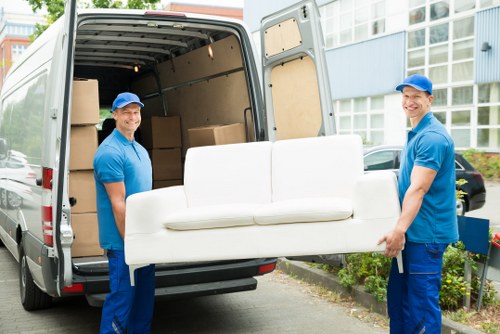 When choosing movers, safety and protection should always come first. A reliable moving company does more than transport belongings from one place to another; it also takes responsibility for protecting customers, staff, and property throughout every stage of the job. From careful packing to lifting, loading, and transit, a strong safety culture reduces delays, prevents damage, and gives clients peace of mind. In this article, we explain how insurance coverage, staff training, personal protective equipment, and a structured risk assessment process work together to support safe and efficient relocations.
Our approach to removal services is built on preparation and accountability. Every move begins with a focus on identifying hazards, planning safe handling methods, and making sure that all team members understand their roles. Whether a job involves a small apartment, a family home, or a larger commercial move, the same principles apply: protect people, safeguard possessions, and reduce the likelihood of accidents. That commitment helps ensure the moving experience is smooth, professional, and well-managed.
Public liability insurance is a vital part of any reputable man and van or full-scale relocation service. It provides protection if accidental damage or injury occurs during the moving process and helps demonstrate that the business takes its responsibilities seriously. For customers, this means added confidence that their home, premises, and surrounding areas are covered by a professional safety framework. It is one of the clearest signs that a house removal provider is operating with proper care and diligence.
 Insurance is especially important when moving in shared buildings, narrow hallways, or busy streets where the risk of unintended damage is higher. Protection measures may include coverage for accidental contact with fixtures, walls, doors, or floors, as well as incidents involving equipment during loading and unloading. A responsible removals team will always work carefully, but insurance adds an extra layer of reassurance in case the unexpected happens. That combination of caution and cover is central to professional standards.
Staff training plays an equally important role in safe moving operations. Every team member should be trained in lifting techniques, route planning, load balancing, furniture handling, and communication on site. A trained removal crew knows how to work efficiently while reducing strain and avoiding preventable injuries. Training also covers customer property protection, teamwork, and how to adapt to different environments, from high-rise apartments to office spaces with complex access points.
 Regular refresher sessions help ensure that safety standards remain strong over time. Experienced professional movers continue to learn from changing conditions, new equipment, and updated procedures. Training is not just about physical handling; it also includes awareness of trip hazards, safe use of trolleys and straps, and how to communicate clearly when moving bulky items. In practice, good training leads to fewer mistakes, better time management, and a more dependable service overall.
Personal protective equipment, or PPE, is another essential part of safe moving work. Depending on the task, this can include gloves, safety footwear, high-visibility clothing, back-support awareness, and other protective items suited to the environment. PPE helps reduce the chance of cuts, slips, dropped-item injuries, and contact with rough surfaces. For a moving company, using the right equipment shows a clear commitment to staff welfare and operational responsibility.
Alongside PPE, teams must also use suitable tools and handling aids to lower physical risk. Items such as straps, blankets, dollies, and ramps support safer lifting and carrying, especially when dealing with heavy or awkward furniture. A well-prepared movers service will select equipment based on the property layout, item weight, and access conditions. This practical preparation protects both workers and belongings, making the whole process more efficient and secure.
Risk assessment is the final foundation of a safe relocation process. Before any job begins, the team reviews the property, access points, item sizes, possible obstacles, and any factors that could affect safe movement. This may include stairs, tight corners, parking restrictions, fragile surfaces, poor lighting, or weather conditions. By identifying hazards early, a removal specialist can plan the right approach and reduce avoidable disruption.
Risk assessment is not a one-time exercise; it continues throughout the move. If a situation changes, such as a blocked entrance or a difficult item that needs a different handling method, the team adjusts accordingly. This flexible approach is especially useful for removal services involving complex access or valuable items. Clear communication, careful observation, and proactive planning all contribute to a safer outcome.
 The best movers combine insurance, training, PPE, and risk assessment into one consistent safety system. Each part supports the others: insurance offers financial protection, training improves competence, PPE reduces exposure to injury, and risk assessment guides the work from the start. Together, these measures help create a professional service that respects both people and property. For customers, that means confidence that every stage of the move is being handled with care.
Safe moving is not simply about avoiding accidents; it is about building trust through reliable standards and responsible practice. A company that invests in safety is better equipped to protect homes, belongings, and staff while delivering a smoother experience from start to finish. By focusing on prevention and preparation, professional movers show that quality service is inseparable from safety.
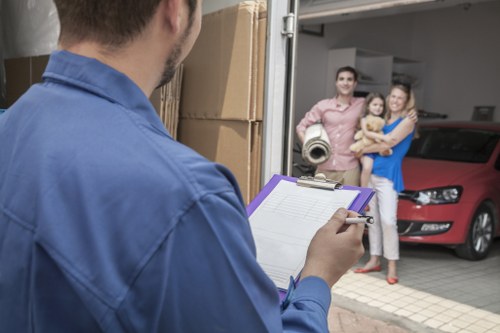 In the end, choosing a moving company with strong safety standards makes a meaningful difference. Public liability insurance, staff training, PPE, and a thorough risk assessment process all work together to support a well-organized and dependable relocation. These measures do more than meet expectations; they help ensure that every move is carried out with professionalism, care, and respect for everyone involved.