Movers in Movers

We provide movers in Movers for households and businesses that need a careful, organised way to shift belongings from one place to another. The service is built around practical removals work: loading, transporting and placing items where they are needed, with attention to access, handling and the sequence of the move. If you are comparing options, our aim is to make the process straightforward and clear, while keeping the main tasks focused on the items that need moving.
For many customers, the most useful starting point is a simple conversation about what needs to go, how it is packed and whether there are bulky or awkward pieces that need extra planning. We can support moves that involve furniture, boxes, appliances and mixed contents, and the approach can be adapted to different property sizes and business premises. Good preparation helps the day run smoothly, but the service itself is centred on the physical move, not on unnecessary extras.
If you are ready to compare arrangements, request a quotation when it suits you. You can also continue reading to see how the main service is organised across domestic moves, office work, packing support and related removals options.
House moves and domestic removals
House moves usually need a service that can deal with full rooms, mixed household contents and the practicalities of moving from one address to another. We handle domestic removals with a focus on protecting items during loading and transit, keeping heavier furniture under control and making sure lighter boxes are stacked sensibly. The work can involve single items or fuller property contents, but the standard stays the same: tidy handling, sensible vehicle loading and a clear process from start to finish.
In a home move, customers often want the main rooms treated in a way that avoids confusion on the day. That means separating items that travel together, making sensible decisions about dismantling where needed and understanding which pieces are best moved upright, wrapped or carried in pairs. If you are planning around stairs, narrow entrances or parking limits, it helps to mention those points early so the move can be arranged in a practical order.
Household removals also benefit from knowing which items are fragile, heavy or hard to replace. Mirrors, glass furniture, artwork and boxed personal effects all need slightly different handling. The work is not just about carrying things out of one property and into another; it is about keeping the move controlled, avoiding avoidable knocks and placing the load in a way that protects both the goods and the buildings involved.
Commercial moving support
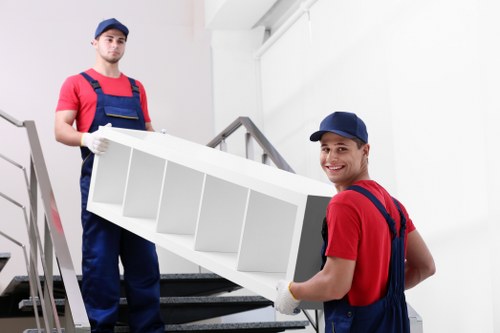
Business removals need a different rhythm from domestic work because desks, stock, files and equipment often have to be moved with minimal disruption to day-to-day activity. We support commercial moves that may include office furniture, archive boxes, retail fittings and general workplace contents. The focus is on practical relocation rather than interruption, with a plan that respects access times, building rules and the order in which items should be taken out and put back in place.
When offices or other workspaces are involved, the move is often easier if items are grouped by department, room or function. That makes it simpler to place everything in the right part of the new premises and reduces confusion once the vehicles are unloaded. Clear labelling is often useful, but the moving work itself still depends on careful lifting, sensible stacking and a route that allows the team to work efficiently.
For businesses comparing options, it is also worth considering the type of objects being moved. A compact office with lightweight furniture has very different requirements from a premises with filing, screens, shelving and equipment. Our aim is to offer a move that matches the contents, the site layout and the time available, so the transition feels organised rather than improvised.
Packing and unpacking choices
Packing support can make a substantial difference to how removals feel on the day, especially where there are breakables, mixed household contents or items that do not fit neatly into standard boxes. We offer packing and unpacking services that can be used to reduce handling risk and help separate categories of belongings before the move begins. The work may include wrapping, boxing and preparing pieces for safe transport, depending on what is being moved.
Some customers prefer to pack everything themselves, while others want help with the more awkward or delicate items only. Both approaches can work well. What matters is matching the level of packing to the type of goods and the time available. If you have items that are fragile, unusually shaped or especially meaningful, they are often best treated with extra care rather than left to last-minute decisions.
Unpacking can also be valuable when a move is taking place into a busy home or workplace. It is not simply about opening boxes; it is about making sure the contents are placed in a sensible order so the new space becomes usable more quickly. For some customers, that means prioritising essentials first and leaving less urgent items until later. For others, it means checking condition and separating storage decisions from immediate use.
About Movers

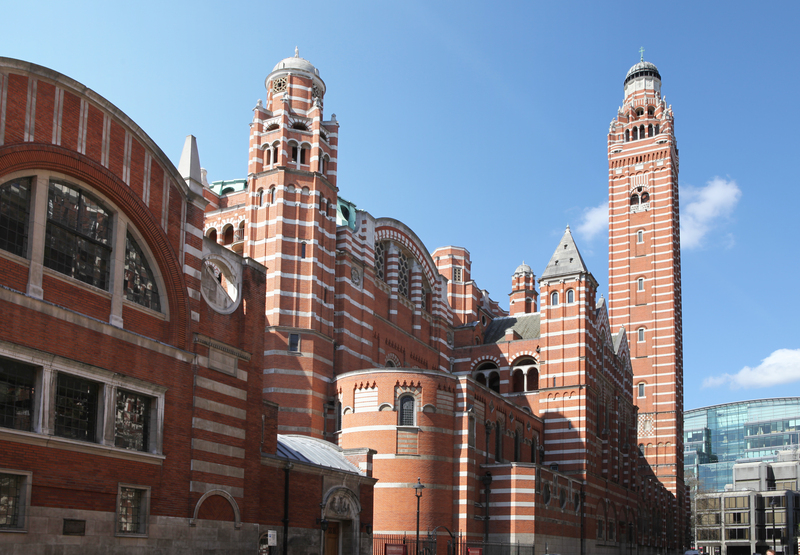
Movers is a settlement in England best known as a village in the county of Cambridgeshire. It sits within the wider fenland landscape, where drainage, straight roads and open farmland have shaped settlement patterns for centuries. The area is closely associated with the Isle of Ely, a historic and geographical region rather than a literal island in the modern sense, and that setting gives the local landscape its broad, low-lying character. Fenland place names often preserve traces of older watercourses, marshes and enclosure history, and Movers fits that pattern through its rural context and older parish structure. The parish church, village streets and surrounding agricultural land reflect the long continuity of small communities in this part of eastern England. Cambridgeshire itself combines market towns, river corridors and university influence farther south, while the fenland north of the county has a quieter and more agricultural identity. In that setting, a village like Movers is shaped less by grand civic architecture and more by everyday features: lanes, hedgerows, open skies and the gradual transition between village edge and fields. Local life in such places has traditionally depended on farming, parish connections and routes linking nearby settlements, and the built environment tends to show incremental change rather than dramatic expansion. The result is a place that can be understood through its landscape as much as through its buildings, with the surrounding land playing a central role in how the village has developed over time.
Furniture handling and heavy items
Not every move is dominated by boxes. In many cases, the most challenging part is the furniture itself: wardrobes, beds, tables, sofas and cabinets often take more time and planning than smaller possessions. We manage furniture removals with attention to weight, shape and access, using sensible handling methods so the load can be moved without unnecessary strain or damage. Where pieces can be dismantled safely, that may help the move; where they should stay intact, the lifting plan changes accordingly.
Heavy items often require a decision about whether they should travel first or last, especially if they block corridors or need space to turn at a doorway. A measured sequence makes a difference. It also helps to think about surfaces, corners and protection for both the item and the property. Flooring, banisters and doorframes can all be vulnerable during a move, so the work benefits from slow, controlled movement rather than rushing for the sake of speed.
Large or awkward items can also affect the type of vehicle loading used. An item that is safe once upright may not travel well laid flat, while delicate finishes may need a different position from plain timber pieces. The aim is to fit the furniture into the move in a way that suits its shape and condition, rather than forcing every object into the same process.
How to prepare a useful quotation

When you ask for pricing, the most useful details are usually the simplest ones: what needs moving, where it is going and whether there are any access issues that might affect loading or parking. A clear list of the main items helps with estimating the size of the job, while photographs can be helpful if there are bulky pieces, stairs, narrow spaces or unusual layouts. This is especially useful when the move includes a mix of furniture, boxes and equipment.
Timing matters too. Some moves need a specific day because of handover arrangements, business opening hours or tenancy dates. If you know the preferred date and the likely order of the load, that makes it easier to prepare a sensible quotation. It also helps to mention whether any items need wrapping, dismantling or special handling. Accuracy at the start is usually more valuable than vague reassurance later.
Our pricing discussions are intended to be practical and transparent, with the main factors being the scale of the move, the access involved and the type of items being transported. If you want to move forward, the simplest next step is to ask for a quotation and provide the basic details in one place. That gives you something concrete to compare before making a final choice.
Removal services for mixed contents
Many moves do not fit neatly into a single category. A household might need furniture carried alongside boxed personal items, while a business could need workstations, archive material and small appliances moved together. Our removal services are designed to handle these mixed loads without turning the process into a series of disconnected jobs. That means planning the order of loading, grouping compatible items and making sure the vehicle space is used sensibly.
A mixed move often works best when the most delicate items are separated from the heaviest ones. That can reduce pressure on fragile goods and make unloading easier at the destination. It can also help to decide in advance which rooms or zones the items belong to, especially if the new property or premises will be occupied quickly after the move. A little structure in the early stages can save time later without making the move feel complicated.
We also recognise that some customers are moving only part of a property rather than everything at once. That may involve selected furniture, specific stock or a few important items that need to arrive safely and on time. The same principles apply: careful handling, clear sequencing and transport that matches the job rather than overcomplicating it.
Service options and practical decisions
Choosing a removals service is often about matching the work to the situation, not finding the largest possible package. Some customers want a straightforward transport-only arrangement, while others need more help with packing, dismantling or moving items from multiple rooms. The right option depends on how much preparation has already been done, how fragile the contents are and whether the move is domestic or commercial in nature. A well-chosen service should fit the contents rather than force the contents to fit the service.
It can be useful to think through the move in practical stages. For example, which items are ready to go immediately, which should be wrapped, which furniture pieces may need taking apart and which items are best kept separate from the rest of the load. Those decisions are not just administrative; they affect how smoothly the physical move can be completed and how easily the new space can be organised afterwards.
For customers who are comparing movers, a sensible question is whether the service can adapt to the actual conditions on site. Access, loading space and item types all matter. That is why we aim to keep the move process clear and workable, with enough flexibility to handle the details without turning the job into guesswork.
House, office and specialist planning

Different moves call for different levels of planning. A home move may revolve around rooms, furniture and family belongings, while an office relocation may depend on departments, desks and operational timing. Specialist planning becomes important whenever items are awkward, valuable, unusually heavy or simply numerous enough to need structure. The more clearly the move is understood at the outset, the easier it is to build a sequence that works in practice.
There are also jobs where careful planning is needed because the contents have a particular order. That might mean prioritising essentials, separating business records from general supplies or deciding which rooms should be unloaded first. In those cases, the move benefits from a steady approach that keeps the essentials accessible. The goal is not to rush through the process, but to make sure each stage supports the next one.
If you would like to explore the most suitable arrangement, ask for a quotation today and share the key details of your move. Whether the job is domestic, commercial or a mix of both, the right plan starts with the items, the access and the destination. For a simple next step, send the basic information and we will help you shape the move around it.